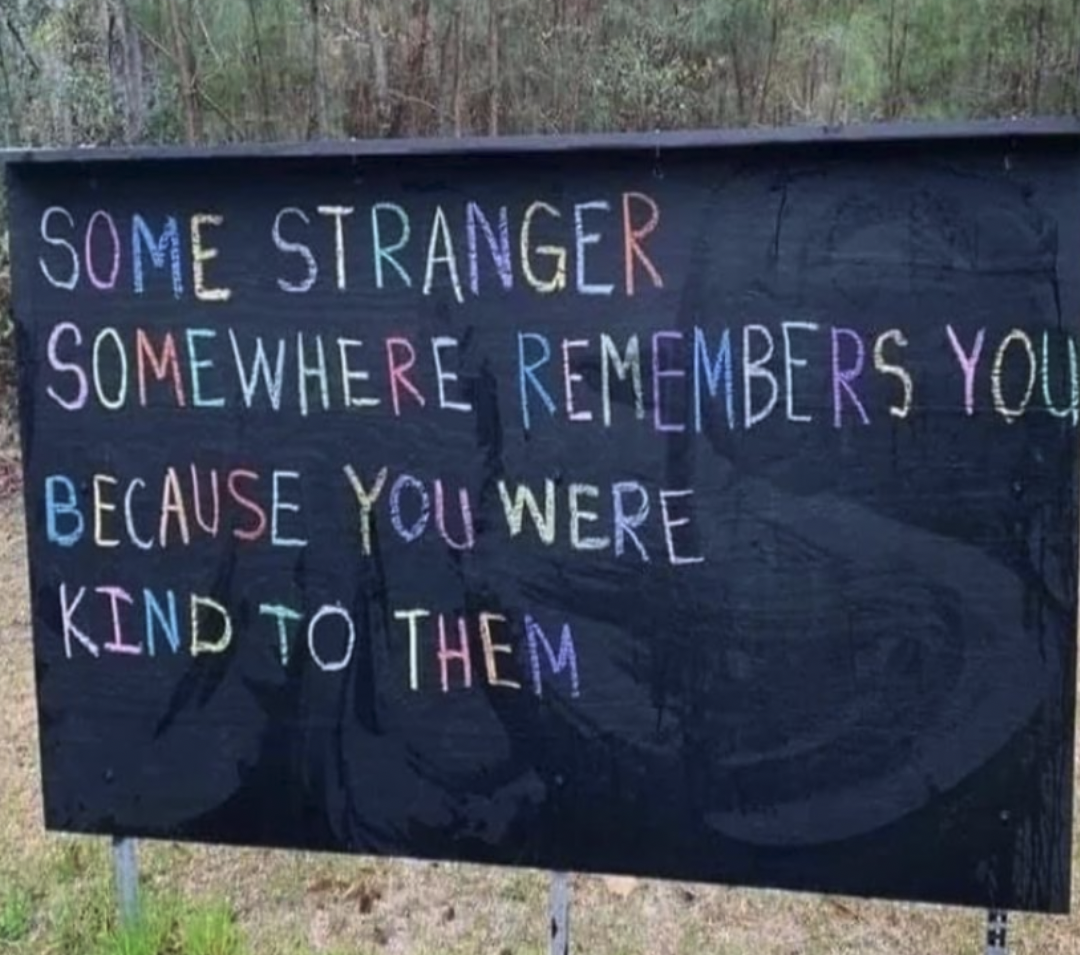
I’ve been harping on that idea—“Connection is at the heart of our humanity.” There’s a backstory. Of course there is. Hardly much that goes on in my world isn’t connected (that word again) to something before.
I’ve been an extrovert. Forever. Easy to talk to, and not afraid to talk with anyone. Part of my life in grade school was being busted by teachers for talking in class. Follow that with my first job post-college bartending—being sullen doesn’t endear you to tips.
Once I realized my future was not slinging booze, I got a job as a medical device salesperson. You don’t make sales and earn commission by just handing out sales materials. You have to connect, build trust, and deliver what you promised. I was good at it.
Next was medical advertising. As a boss once said, “Advertising would be a wonderful job if it wasn’t for clients.” Yeah, most definitely you needed to woo the client to keep them—and, most of all, have them buy a campaign. Added bonus: if you did well, you got more business. I was a bit of a rainmaker. I did that again when I opened my own business.
Fast forward to post-Donna’s death. No work, mostly volunteering to keep busy. Giving tours of the 9/11 site with the 9/11 Tribute Museum got me out of the silent wind chime of self-isolation and grief. It served up the chance to be all Chatty Cathy-like and not sink into my darkest thoughts. It was great—until the pandemic. Isolation reigned supreme.
That’s when I thought all my volunteer work could be transferred to crisis intervention volunteering—online, at home. Not so easy. You can read all about it here.
It was through crisis intervention support that I discovered my chatty, extrovert “connection” was, in reality, mostly transactional. Yadda yadda yadda, buy something. Supporting someone—anyone—in crisis is not transactional. It’s empathy: hearing what they’re facing; probing to learn more; understanding how it’s affecting them in their lives—at home, at school, with friends.
Then comes the pivot to compassion, which is empathy in action: working with them to discover what emotional resources are within and around them, to help them find calm.
That is connection at the heart of our humanity—on steroids.
It opened up an entire new space for me to inhabit. I became more human. They felt the human connection—well, many of them did. Still, connection is a magical act that conjures so much within us and others. It lifts us. It heals us. It serves as witness to others. Of course, this is tied to the crisis another person is having. Yet there are small micro-doses of connection that can offer a similar outcome.
I’ve been adding small moments of connection in my daily wanderings. At a grocery store checkout, I’ll ask the cashier: How are you? How’s the day going? You looking forward to getting off work and heading home? Nothing deep—just recognizing they exist as a human in the same world I do, with the same emotions I have. Not as some transactional specter. A human with feelings.
I always get a smile. A response asking about me. It’s a rewarding moment for both of us. I didn’t save a life—as I sometimes do in my crisis intervention work. All I did was acknowledge another human. Small micro-connections that made us both feel human.
The data
A recent article in Medscape—“Positive Age Beliefs Linked to Functional Gains”—fits with this idea of micro-dosing connection. I’m old as dirt and can surrender to the tyranny of aging. When I do these small connections, I find hope within.
“Positive beliefs about aging may lead to cognitive and physical improvements in older adults, challenging the notion of inevitable decline. The study suggests that promoting positive age perceptions could enhance functional outcomes and encourage healthy behaviors.”
This, from The Wall Street Journal (paywalled, grrr!)—“The Unexpected Joy of Talking to Strangers as I Get Older.” Oh boy, this tracks and hits so perfectly on my entire premise here.
“These interactions—my version of ‘adult education’—also inspire insights and useful information that I most likely would have missed if I had limited myself to more-formal ways of connecting. For example, I learned from a woman in a supermarket line another way to avoid crying when I cut up an onion (freeze it for a few minutes first).”
Yes, I do at times learn something too from these small connections.
Dr. Miller had this amazing share on Substack—“Show Up Anyway.” His post examines why we feel so isolated when there are so many people around us. It’s an important (and telling) read on the value of connection—and how we fail to recognize how many people are there to connect with us. We can do that in these micro-doses of connection.
“What they found is deceptively simple. People systematically underestimate how empathic the people around them actually are. The researchers call it the ‘empathy perception gap.’ Students estimated their peers were about 24 percent less empathic than those peers reported themselves to be. When asked whether fellow students would help someone who was feeling down, participants guessed around 87 percent would. The actual number, based on aggregated self-reports, was closer to 96 percent.”
Another telling article about connection from behind the paywall at The Wall Street Journal is “We’re All Talking to Each Other Less Than We Did a Decade Ago.”
“When was the last time you engaged in friendly banter with your barista, chatted with your neighbor or called your mother?
Chances are, you placed your latte order on an app and ignored your neighbor when you pulled into your driveway. Your mom? She likely had to settle for a text.”
This failure to connect was made even more striking by a finding cited in the article: parents aren’t talking to their babies as much as they used to. Phones were noted to be the culprit here.
Hey—I’m not asking y’all to go all up in the connection grill of randos. Just a small recognition of another person. A hey, how ya doing? A nod to the guy hauling bags of trash out from a building. All of these little things can fill us with humanity. Fills others with humanity.
Micro-dosing connections may be as beneficial as micro-dosing ashwagandha—sans the Grateful Dead.
PS: A neighbor gifted me this book following a chat were I was bemoaning my lack of legacy. In the note with the book she said “They are not loud moments, rather small treads we weave into others lives.” The Book “Theo of Golden”. Theo, an elderly man, new to a southern town undertakes acts of generosity and kindness though connecting with strangers. My neighbor got me.